Tuesday, August 9, 2022

The Timucua

"


The Timucua


The Timucua


OTHER ARTICLES


Based on the latest research findings, this is the moving story of the demise of one of the oldest of the American Indian peoples. This text looks at the Native American people, the Timucua, using information gathered from archaeological excavations and from the interpretation of historical documents left behind, mainly by Spain and France, who sought to colonize Florida and to place the Timucua under their sway.Contents: Preface. 1. The Beginning. 2. Who Were the Timucua? 3. The Invasion. 4. Spanish Missions. 5. Mission Settlements and Subsistence. 6. The Organization of Societies. 7. Beliefs and Behavior. 8. The End. Bibliography.

"

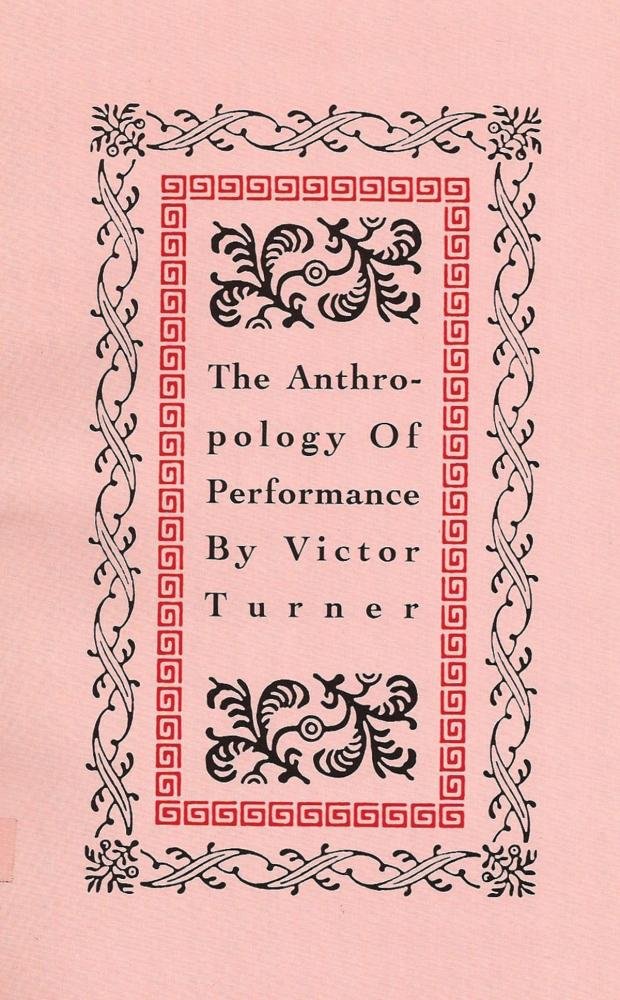
The Anthropology of Performance (PAJ Books)


The Anthropology of Performance (PAJ Books)


The Anthropology of Performance (PAJ Books)


OTHER ARTICLES


Turner is all over the globe as he addresses issues of cultural performance, carnival, film, theatre, and performing ethnography to break new ground in anthropological thinking about event, spectacle, and audience. One of his last writings, Body, Brain, and Culture links cerebral neurology and anthropology studies in a fascinating interface.

Blind Spot: How Neoliberalism Infiltrated Global Health (Volume 30) (California Series in Public Anthropology)

"


Blind Spot: How Neoliberalism Infiltrated Global Health (Volume 30) (California Series in Public Anthropology)


Blind Spot: How Neoliberalism Infiltrated Global Health (Volume 30) (California Series in Public Anthropology)


OTHER ARTICLES


Neoliberalism has been the defining paradigm in global health since the latter part of the twentieth century. What started as an untested and unproven theory that the creation of unfettered markets would give rise to political democracy led to policies that promoted the belief that private markets were the optimal agents for the distribution of social goods, including health care. A vivid illustration of the infiltration of neoliberal ideology into the design and implementation of development programs, this case study, set in post-Soviet Tajikistan’s remote eastern province of Badakhshan, draws on extensive ethnographic and historical material to examine a “revolving drug fund” program—used by numerous nongovernmental organizations globally to address shortages of high-quality pharmaceuticals in poor communities. Provocative, rigorous, and accessible, Blind Spot offers a cautionary tale about the forces driving decision making in health and development policy today, illustrating how the privatization of health care can have catastrophic outcomes for some of the world’s most vulnerable populations.

"

Landmarks in Humanities


Landmarks in Humanities


Landmarks in Humanities


OTHER ARTICLES


Landmarks in Humanities is a single-volume survey of global culture designed to help students of humanities, cultural history, and history of the arts to understand and appreciate the relevance of historical works and ideas to their own daily lives. In chronological sequence, Landmarks guides students on a journey of the most notable monuments of the human imagination and the most prominent ideas and issues that have shaped the course and character of the world's cultures from prehistory to the present. The landmarks that mark this journey are the great works of their place and time and, in some cases, of all time.Enhanced by McGraw-Hill's SmartBook, Gloria Fiero delivers a learning experience tailored to the needs of each institution, instructor, and student. With the ability to incorporate new extended readings, streaming music, and artwork, Landmarks in Humanities renews the understanding of the relationship between world cultures and humankind's creative legacy.

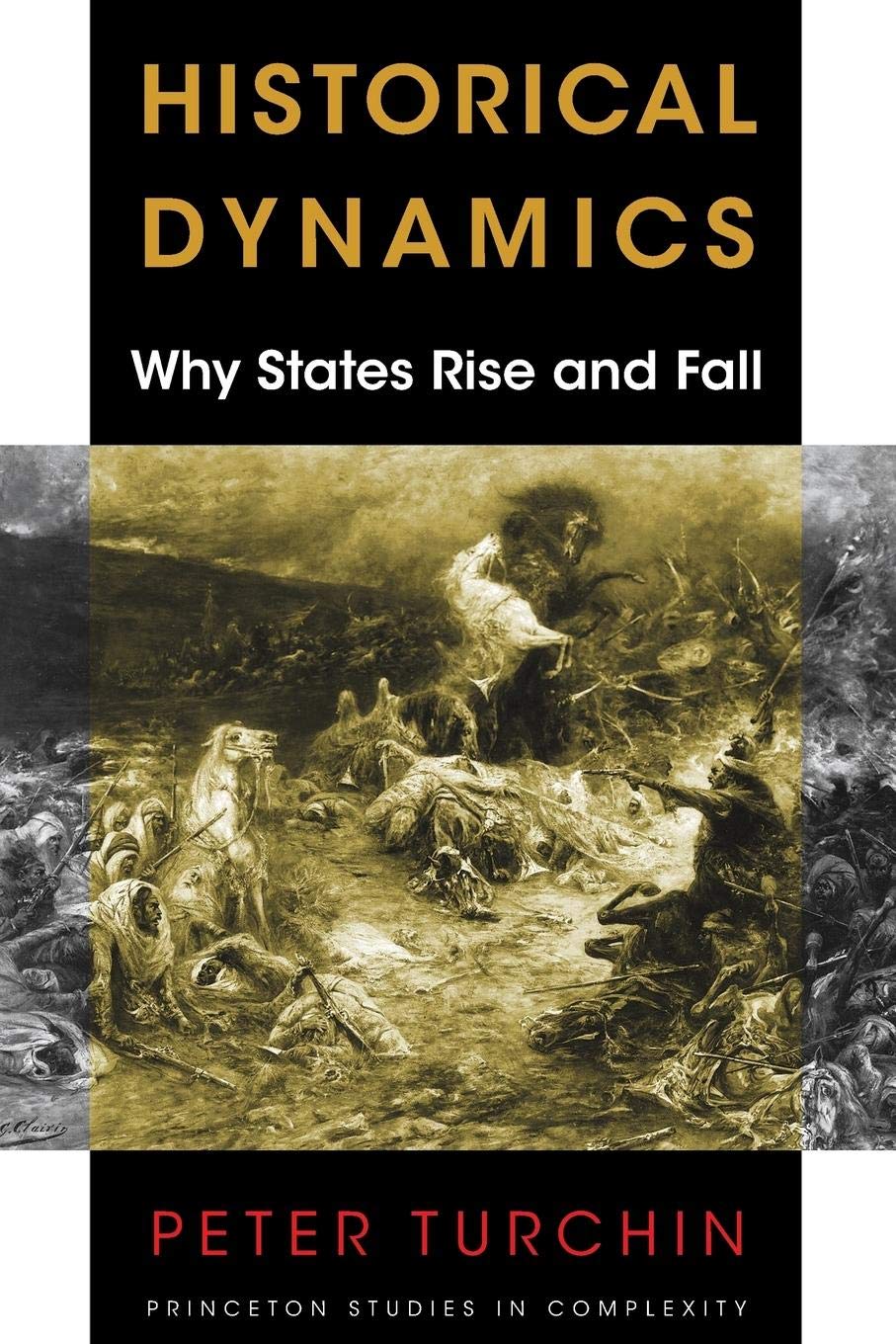
Historical Dynamics: Why States Rise and Fall (Princeton Studies in Complexity, 26)


Historical Dynamics: Why States Rise and Fall (Princeton Studies in Complexity, 26)


Historical Dynamics: Why States Rise and Fall (Princeton Studies in Complexity, 26)


OTHER ARTICLES


Many historical processes are dynamic. Populations grow and decline. Empires expand and collapse. Religions spread and wither. Natural scientists have made great strides in understanding dynamical processes in the physical and biological worlds using a synthetic approach that combines mathematical modeling with statistical analyses. Taking up the problem of territorial dynamics--why some polities at certain times expand and at other times contract--this book shows that a similar research program can advance our understanding of dynamical processes in history.Peter Turchin develops hypotheses from a wide range of social, political, economic, and demographic factors: geopolitics, factors affecting collective solidarity, dynamics of ethnic assimilation/religious conversion, and the interaction between population dynamics and sociopolitical stability. He then translates these into a spectrum of mathematical models, investigates the dynamics predicted by the models, and contrasts model predictions with empirical patterns. Turchin's highly instructive empirical tests demonstrate that certain models predict empirical patterns with a very high degree of accuracy. For instance, one model accounts for the recurrent waves of state breakdown in medieval and early modern Europe. And historical data confirm that ethno-nationalist solidarity produces an aggressively expansive state under certain conditions (such as in locations where imperial frontiers coincide with religious divides). The strength of Turchin's results suggests that the synthetic approach he advocates can significantly improve our understanding of historical dynamics.

Secrets of Voodoo


Secrets of Voodoo


Secrets of Voodoo


OTHER ARTICLES


Secrets of Voodoo traces the development in Haiti and the Americas of this complex religion from its sources in the brilliant civilizations of ancient Africa. This book presents a straightforward account of the gods of loas and their function, the symbols and signs, rituals, and the ceremonial calendar of Voodoo and the procedures for performing magical rites are given.Voodoo, derived from the words meaning introspection and mystere is a system of belief about the formation of the world and human destiny with clear correspondences in other world religions. Rigaud makes these connections and discloses the esoteric meaning underlying Voodoo's outward manifestations, which are often misinterpreted. Translated from the French by Robert B. Cross. Drawings and photographs by Odette Mennesson-Rigaud.Milo Rigaud was born in Port au Prince, Haiti, in 1903, where he spent the greater part of his life studying Voodoo tradition. In Haiti he studied law, and in France ethnology, psychology and theology. The involvement of Voodoo in the political struggle of Haitian blacks for independence was one of his main concerns after he returned to his country.

Where the Spirits Ride the Wind: Trance Journeys and Other Ecstatic Experiences


Where the Spirits Ride the Wind: Trance Journeys and Other Ecstatic Experiences


Where the Spirits Ride the Wind: Trance Journeys and Other Ecstatic Experiences


OTHER ARTICLES


The book is clearly written for the general reader and includes many descriptions of trance experiences. It may serve as a good introduction to the nature and appeal of the shamanic revival in modern Western cultures. --Theological Book Review... a case study in experiential anthropology that offers a unique mix of autobiography, mythology, experiential research, and archaeological data to support a challenging thesis--that certain body postures may help induce specific trance states. --Shaman's DrumThis is a spellbinding and exceptionally readable book by an extraordinary woman. --Yoga JournalAnd suddenly the understanding of my own vision washed over me like a mighty wave... For life or for death, I was committed to that mighty realm of which I was shown a brief reminder, the world where all was forever motion and emergence, that realm where the spirits ride the wind. --from the PrologueGoodman reexamines our notions of the nature of reality by studying the ritual postures of native art assumed by her subjects during trance states. For readers desiring to discover this world of ancient myths, she has included a practical guide on how to achieve such ecstatic experiences.

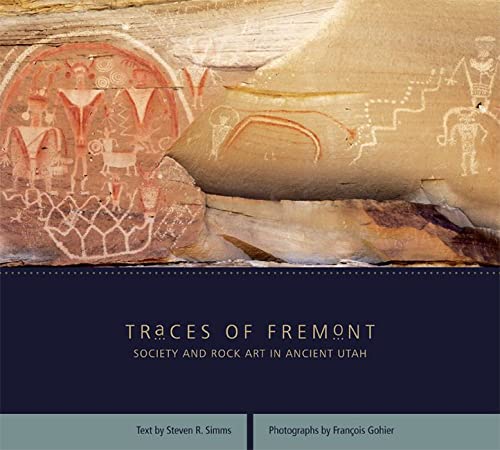
Traces of Fremont: Society and Rock Art in Ancient Utah


Traces of Fremont: Society and Rock Art in Ancient Utah


Traces of Fremont: Society and Rock Art in Ancient Utah


OTHER ARTICLES


Fremont is a culture (ca. 300–1300 A.D.) first defined by archaeologist Noel Morss in 1928 based on characteristics unique to the area. Initially thought to be a simple socio-political system, recent reassessments of the Fremont assume a more complex society. This volume places Fremont rock art studies in this contemporary context. Author Steven Simms offers an innovative model of Fremont society, politics, and worldview using the principles of analogy and current archaeological evidence. Simms takes readers on a trip back in time by describing what a typical Fremont hamlet or residential area might have looked like a thousand years ago, including the inhabitants' daily activities. François Gohier's captivating photographs of Fremont art and artifacts offer an engaging complement to Simms's text, aiding us in our understanding of the lives of these ancient people.

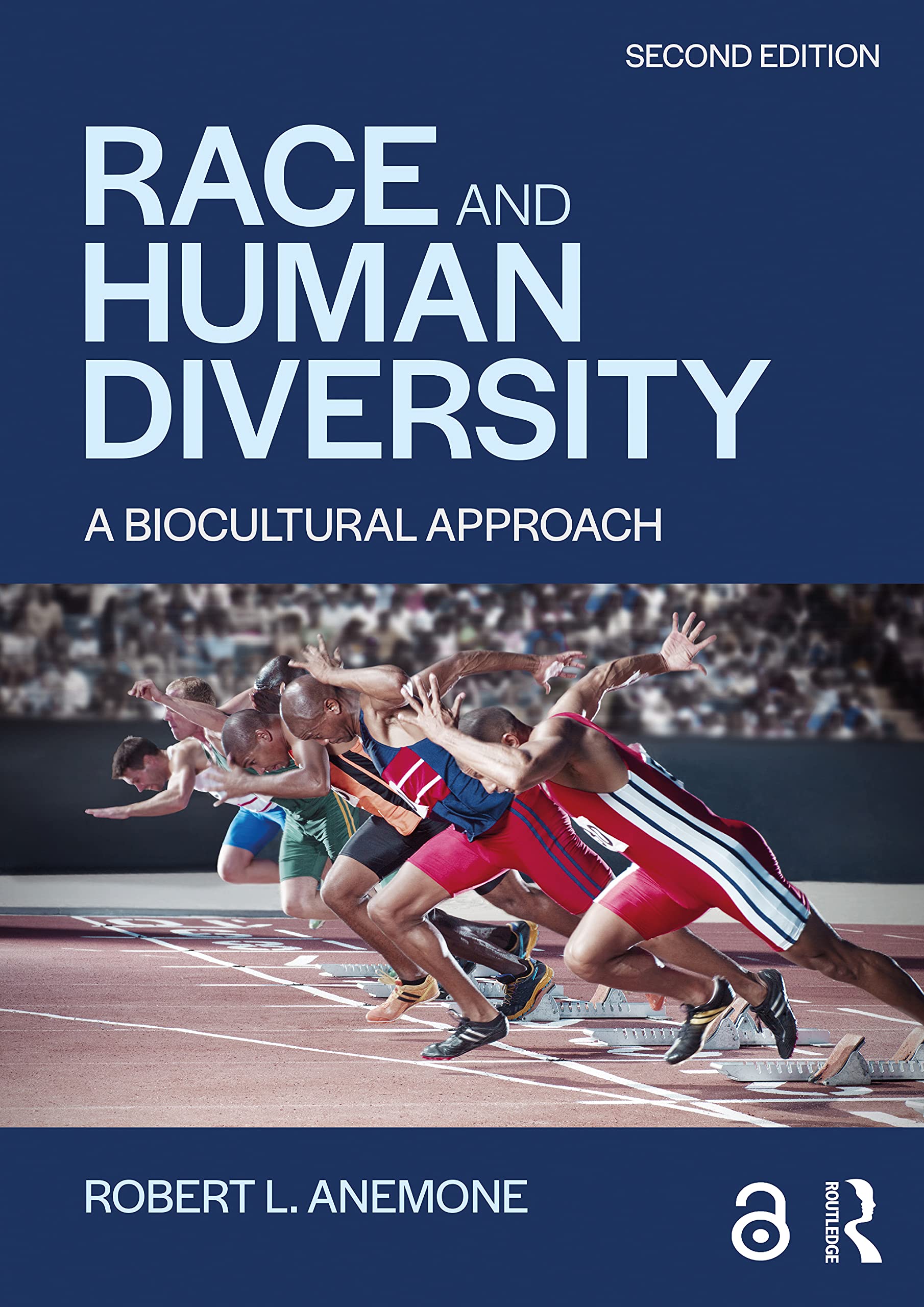
Race and Human Diversity: A Biocultural Approach


Race and Human Diversity: A Biocultural Approach


Race and Human Diversity: A Biocultural Approach


OTHER ARTICLES


Race and Human Diversity is an introduction to the study of human diversity in both its biological and cultural dimensions. Robert L. Anemone examines the biological basis of human difference and how humans have biologically and culturally adapted to life in different environments. The book discusses the history of the race concept, evolutionary theory, human genetics, and the connections between racial classifications and racism. It invites students to question the existence of race as biology, but to recognize race as a social construction with significant implications for the lived experience of individuals and populations.This second edition has been thoroughly revised, with new material on human genetic diversity, developmental plasticity and epigenetics. There is additional coverage of the history of eugenics race in US history, citizenship and migration affirmative action and white privilege and the burden of race. Fully accessible for undergraduate students with no prior knowledge of genetics or statistics, this is a key text for any student taking an introductory class on race or human diversity.

Deadly Words: Witchcraft in the Bocage


Deadly Words: Witchcraft in the Bocage


Deadly Words: Witchcraft in the Bocage


OTHER ARTICLES


This 1980 book examines witchcraft beliefs and experiences in the Bocage, a rural area of western France. It also introduced a powerful theoretical attitude towards the progress of the ethnographer's enquiries, suggesting that a full knowledge of witchcraft involves being 'caught up' in it oneself. In the Bocage, being bewitched is to be 'caught' in a sequence of misfortunes. According to those who are bewitched, the culprit is someone in the neighbourhood: the witch, who can cast a spell with a word, a touch or a look, and whose 'power' comes from a book of spells inherited from an ancestor. Only a professional magician, an 'unwitcher', has any chance of breaking the succession of misfortunes which befall those who have been bewitched. He undertakes a battle of magic with the suspected witch, a battle which is eventually fatal.

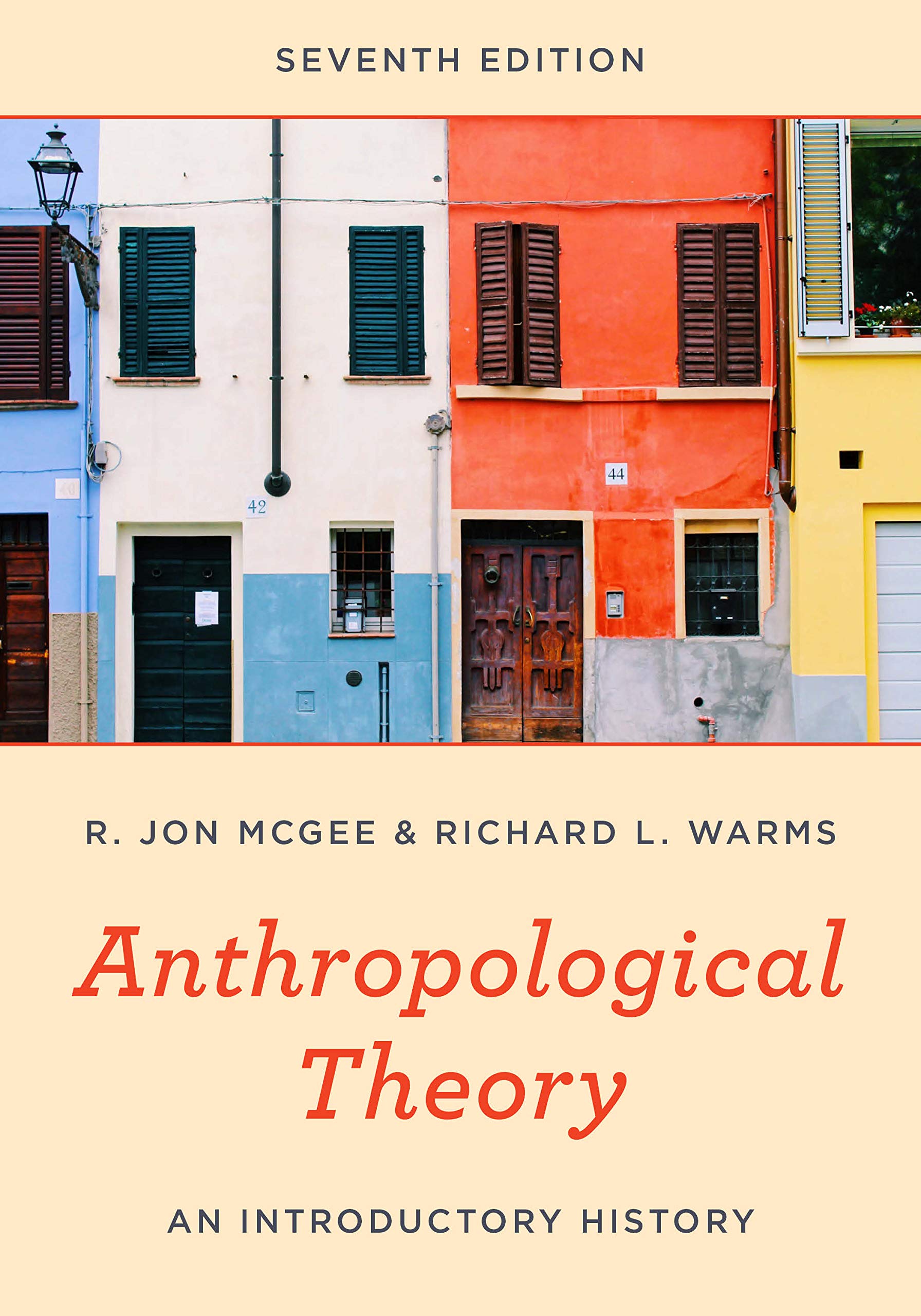
Anthropological Theory: An Introductory History


Anthropological Theory: An Introductory History


Anthropological Theory: An Introductory History


OTHER ARTICLES


Anthropological Theory: An Introductory History, Seventh Edition, presents a selection of critical essays in anthropology from 1860 to the present day. Classic authors such as Marx, Durkheim, Boas, Radcliffe-Brown, Benedict, Rappaport, Geertz, and Turner are joined by contemporary thinkers including Das, Ortner, Kwiatkowski, and Mattingly. What sets McGee and Warms's text apart from other collections are its introductions, footnotes, and index. Detailed introductions examine critical developments in theory, introduce key people, and discuss historical and personal influences on theorists. In extensive footnotes, the editors provide commentary that puts the writing in historical and cultural context, defines unusual terms, translates non-English phrases, identifies references to other scholars and their works, and offers paraphrases and summaries of complex passages. The notes identify and provide background information on hundreds of scholars and concepts important in the development of anthropology. This makes the essays more accessible to both students and current day scholars. An extensive index makes this book an invaluable reference tool. NEW TO THIS EDITION ?Zora Neale Hurston: From Of Mules and Men (1935) ?Roy Rappaport: Ritual Regulation of Environmental Relations among New Guinea People (1967) ?James P. Spradley: A Bucket Full of Tramps (1970) ?Eric R. Wolf: Facing Power--Old Insights, New Questions (1990) ?Tom Boellstorff: The Emergence of Political Homophobia in Indonesia: Masculinity and National Belonging (2004) ?Lynn Kwiatkowski: Feminist Anthropology: Approaching Domestic Violence in Northern Viet Nam (2016) ?Veena Das: Engaging with the Life of the Other: Love and Everyday Life (2010) ?Cheryl Mattingly: Luck, Friendship, and the Narrative Self (2014)

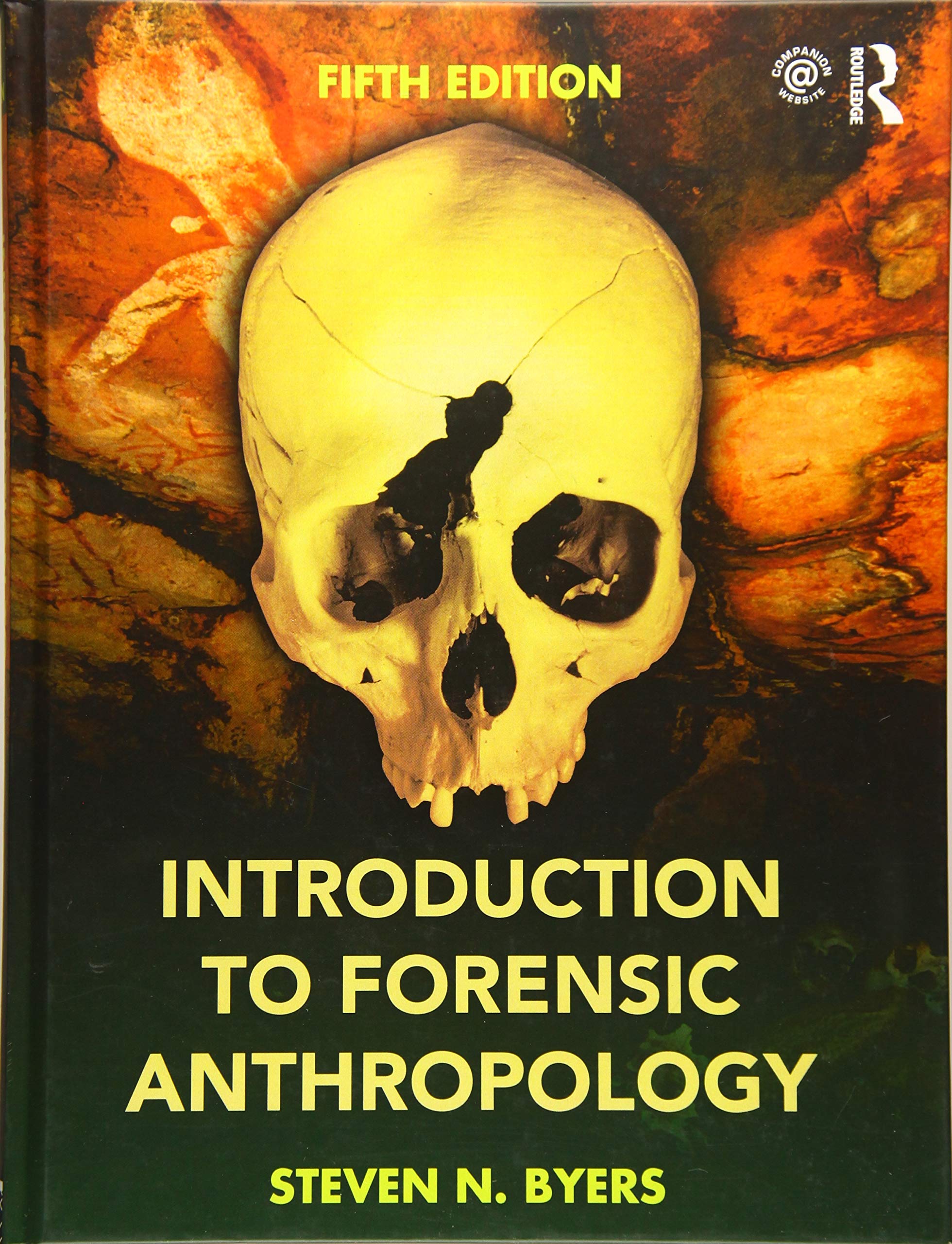
Introduction to Forensic Anthropology


Introduction to Forensic Anthropology


Introduction to Forensic Anthropology


OTHER ARTICLES


This book provides comprehensive coverage of the methods and issues in the current practice of forensic anthropology. It introduces students to all the major topics in the field, with material ranging from the attribution of ancestry and sex, to various forms of bone trauma, to identification through radiography. Introduction to Forensic Anthropology uses the terminology and best practices recommended by the Scientific Working Group for Forensic Anthropology (SWGANTH). The fifth edition has been fully updated in light of recent developments, incorporating new and improved methods as well as fresh data. The section on human osteology and odontology in particular has been expanded.This accessible and engaging textoffers an array of features to support teaching and learning, including:boxed case studiesextensive figures and photographschapter summaries and student exercisesa glossary of termsfurther resources via a companion website.

The Chrysanthemum And The Sword


The Chrysanthemum And The Sword


The Chrysanthemum And The Sword


OTHER ARTICLES


?????????????????????????????????????????????????????????????????????????????????????????????????????????????????????????????????????????????????????????????????????????????????????????????????????????????????????????????????????????????????????????????????????????????????????????????????????????????????????????????????????????????????????????????????????????????????????????????•????? (Ruth Benedict?1887-1948)????????????????????????????????????????????????????????????????????????????????????????????

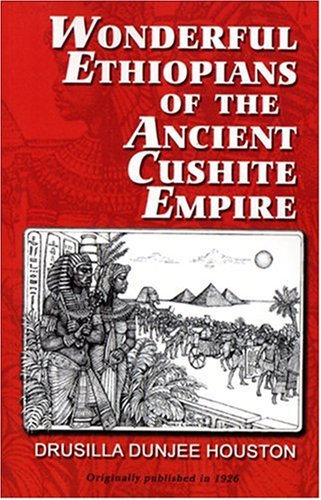
Wonderful Ethiopians of the Ancient Cushite Empire


Wonderful Ethiopians of the Ancient Cushite Empire


Wonderful Ethiopians of the Ancient Cushite Empire


OTHER ARTICLES


Houston describes the origin or civilization and establishes links among the ancient Black populations of Arabia, Persia, Babylonia, and India. In each case, she concludes that the Blacks who inhabited these areas were all culturally related.

Writing in Anthropology: A Brief Guide (Short Guides to Writing in the Disciplin)


Writing in Anthropology: A Brief Guide (Short Guides to Writing in the Disciplin)


Writing in Anthropology: A Brief Guide (Short Guides to Writing in the Disciplin)


OTHER ARTICLES


Writing in Anthropology: A Brief Guide applies the key concepts of rhetoric and composition-audience, purpose, genre, and credibility-to examples based in anthropology. It is part of a series of brief, discipline-specific writing guides from Oxford University Press designed for today'swriting-intensive college courses. The series is edited by Thomas Deans (University of Connecticut) and Mya Poe (Northeastern University).

Neither Man Nor Woman: The Hijras of India


Neither Man Nor Woman: The Hijras of India


Neither Man Nor Woman: The Hijras of India


OTHER ARTICLES


This ethnography is a cultural study of the Hijras of India, a religious community of men who dress and act like women. It focuses on how Hijras can be used in the study of gender categories and human sexual variation.

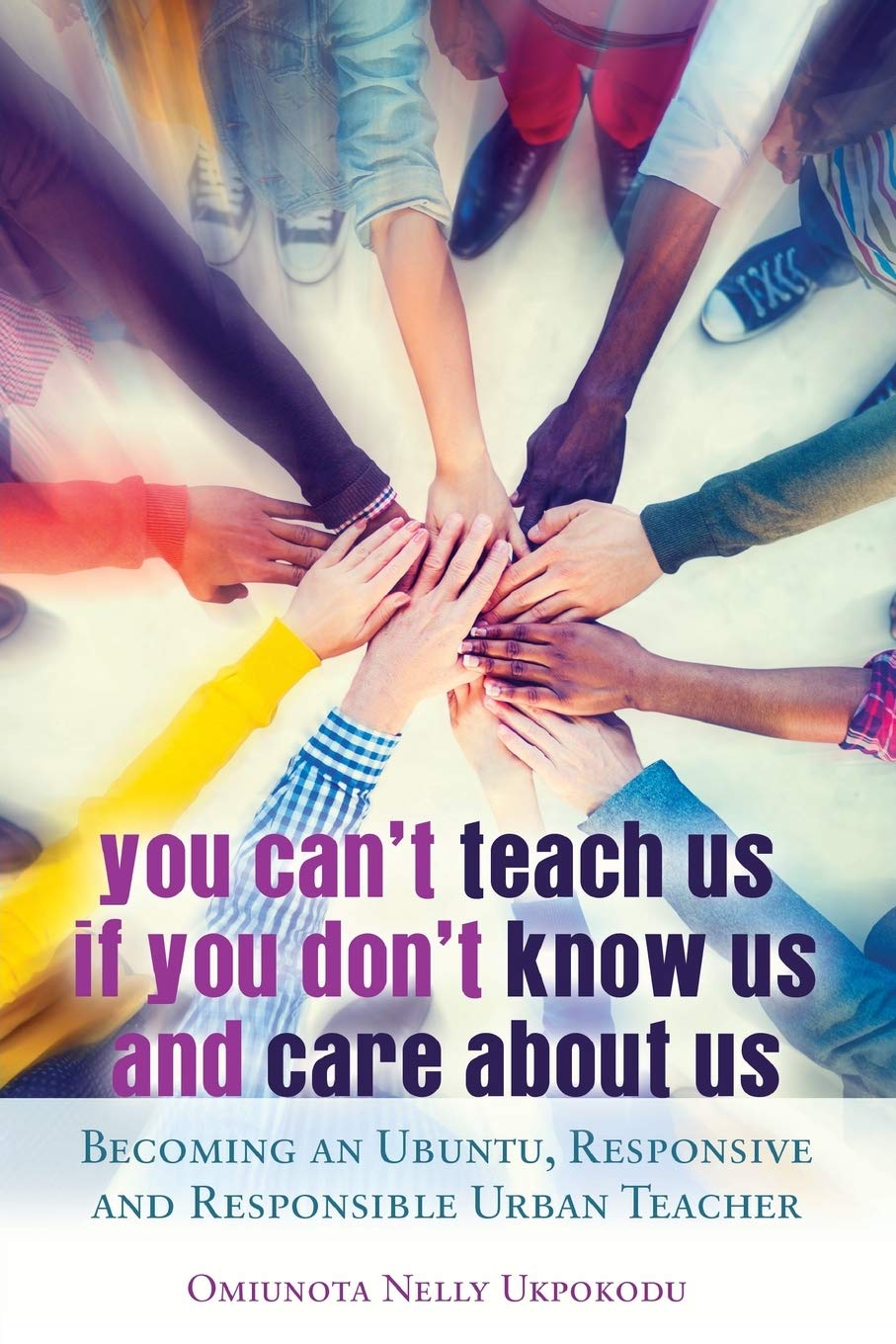
You Can't Teach Us if You Don't Know Us and Care About Us: Becoming an Ubuntu, Responsive and Responsible Urban Teacher (B...


You Can't Teach Us if You Don't Know Us and Care About Us: Becoming an Ubuntu, Responsive and Responsible Urban Teacher (B...


You Can't Teach Us if You Don't Know Us and Care About Us: Becoming an Ubuntu, Responsive and Responsible Urban Teacher (B...


OTHER ARTICLES


This book addresses the needs of diverse urban students for a new kind of teacher, classroom learning context, curriculum, and pedagogy in order to effectively learn, perform, and achieve. Drawing on the African concept of Ubuntu as a fundamental framework for enacting a humanizing pedagogy, the text invites teachers, students, and families to enter into an interdependent and interconnected relationship for education. This book is uniquely transformative as it elevates the centrality of student humanity and models the integration of emergent theories and practices, utilizing real-life stories to enlighten and illuminate. Emphasis is placed on Ubuntu pedagogy as a model to emulate, anchored on five ethical dimensions: humanism and Ubuntu competence, relationship and learning community, humanism in the curriculum, pedagogical and instructional excellence, and collaboration and partnership. Particularly valuable for teachers learning to cultivate the spirit of Ubuntu that undergirds their ability to be humane, responsive, socially- just, efficacious, and resilient, this book is a cutting-edge resource for effectively addressing the persistent academic achievement of diverse urban students.

Monday, August 8, 2022

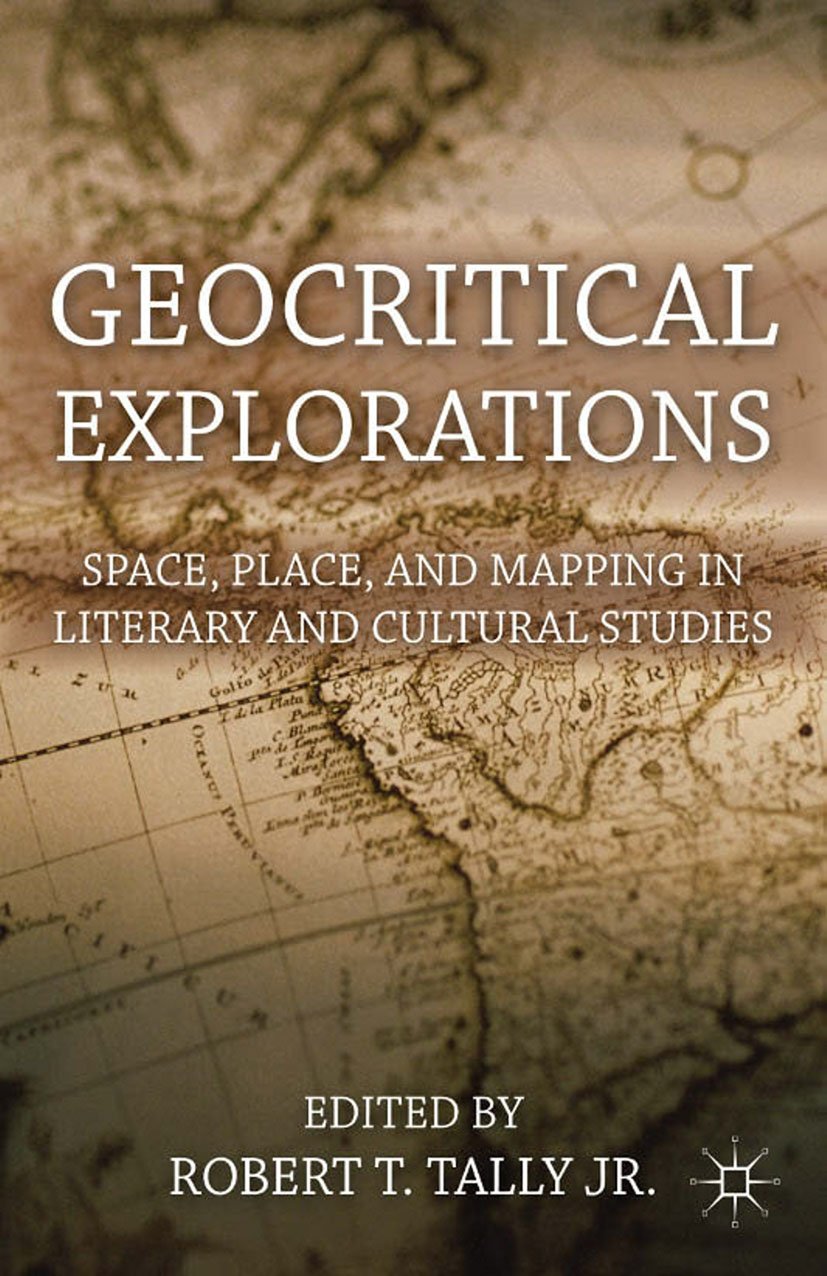
Geocritical Explorations: Space, Place, and Mapping in Literary and Cultural Studies


Geocritical Explorations: Space, Place, and Mapping in Literary and Cultural Studies


Geocritical Explorations: Space, Place, and Mapping in Literary and Cultural Studies


OTHER ARTICLES


In recent years the spatial turn in literary and cultural studies has opened up new ways of looking at the interactions among writers, readers, texts, and places. Geocritical Explorations provides a succinct overview of geocriticism and a point of departure for further study.

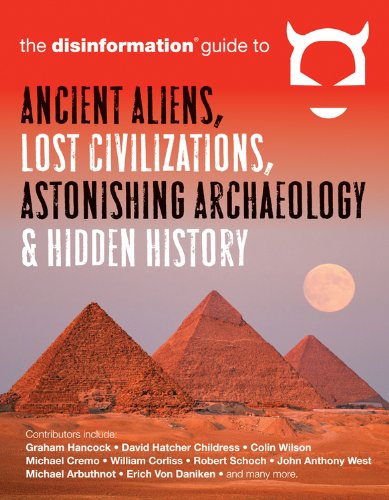
The Disinformation Guide to Ancient Aliens, Lost Civilizations, Astonishing Archaeology and Hidden History


The Disinformation Guide to Ancient Aliens, Lost Civilizations, Astonishing Archaeology and Hidden History


The Disinformation Guide to Ancient Aliens, Lost Civilizations, Astonishing Archaeology and Hidden History


OTHER ARTICLES


Where did modern civilization begin? What lies beneath the waves? Do myths describe interstellar impact? How'd they lift that stone? Was the Ark of the Covenant a mechanical device? Were there survivors of an Atlantean catastrophe? Who really discovered the New World?Hidden history continues to fascinate an ever wider audience. In this massive compendium, editor Preston Peet brings together an allstar cast of contributors to question established wisdom about the history of the world and its civilizations. Peet and anthology contributors guide us through exciting archeological adventures and treasure hunts, ancient mysteries, lost or rediscovered technologies, and assorted Forteana, using serious scientific studies and reports, scholarly research, and some plain old fringe material, as what is considered fringe today is often hard science tomorrow.Contributors include: Graham Hancock (Fingerprints of the Gods and Underworld), David Hatcher Childress (Lost Cities and Civilizations series), Colin Wilson (From Atlantis to the Sphinx), Michael Cremo (Forbidden Archeology), William Corliss (Ancient Infrastructures), Robert Schoch (Voyages of the Pyramid Builders), John Anthony West (Serpent in the Sky), Michael Arbuthnot (Team Atlantis), Erich Von Daniken (Chariots of the Gods), and many more.

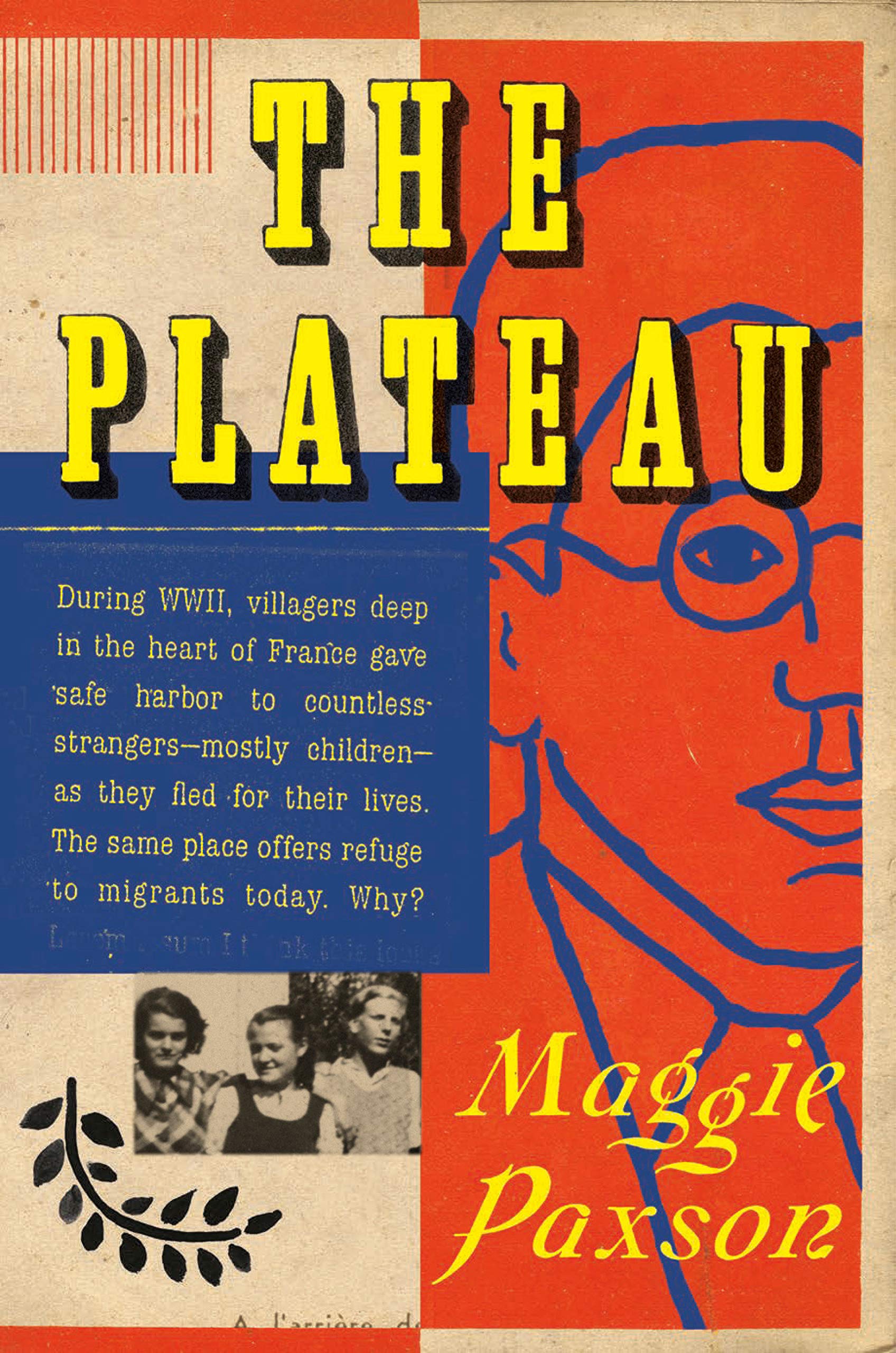
The Plateau


The Plateau


The Plateau


OTHER ARTICLES


During World War II, French villagers offered safe harbor to countless strangers—mostly children—as they fled for their lives. The same place offers refuge to migrants today. Why?In a remote pocket of Nazi-held France, ordinary people risked their lives to rescue many hundreds of strangers, mostly Jewish children. Was this a fluke of history, or something more? Anthropologist Maggie Paxson, certainties shaken by years of studying strife, arrives on the Plateau to explore this phenomenon: What are the traits that make a group choose selflessness? In this beautiful, wind-blown place, Paxson discovers a tradition of offering refuge that dates back centuries. But it is the story of a distant relative that provides the beacon for which she has been searching. Restless and idealistic, Daniel Trocmé had found a life of meaning and purpose—or it found him—sheltering a group of children on the Plateau, until the Holocaust came for him, too. Paxson's journey into past and present turns up new answers, new questions, and a renewed faith in the possibilities for us all, in an age when global conflict has set millions adrift. Riveting, multilayered, and intensely personal, The Plateau is a deeply inspiring journey into the central conundrum of our time.

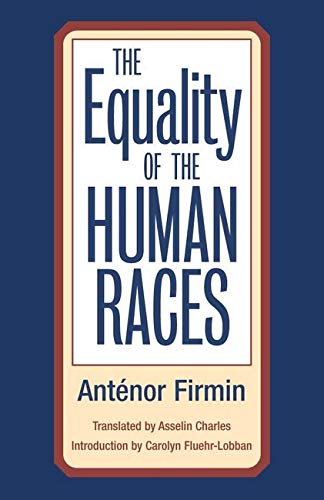
The Equality of Human Races: POSITIVIST ANTHROPOLOGY


The Equality of Human Races: POSITIVIST ANTHROPOLOGY


The Equality of Human Races: POSITIVIST ANTHROPOLOGY


OTHER ARTICLES


An important contribution to contemporary scholarship in anthropology, pan-African studies, and colonial and postcolonial studies